Ulcerative Colitis
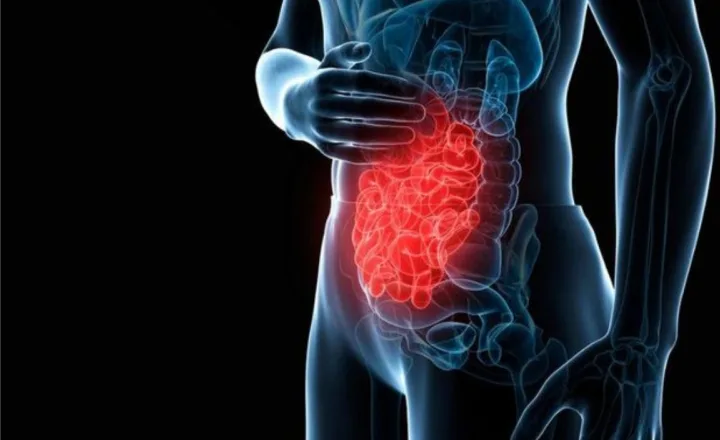
Ulcerative colitis is a chronic inflammatory bowel disease affecting the colon lining and rectum. Regenerative medicine explores supportive roles using MSCs and exosomes therapy to assist in immune regulation and intestinal tissue environment balance.
Introduction to Ulcerative Colitis
Ulcerative colitis is a chronic inflammatory bowel disease characterized by recurring inflammation of the colon lining, digestive discomfort, and fluctuating periods of flare-ups and remission. As an immune-mediated gastrointestinal condition, it may involve symptoms such as abdominal pain, diarrhea, urgency, fatigue, and nutritional imbalance.
Regenerative medicine approaches including umbilical cord–derived mesenchymal stem cells (MSCs) and exosomes therapy are being explored for their potential supportive role in immune regulation, inflammation modulation, and intestinal tissue environment balance under medical supervision. These therapies are not designed to replace gastroenterology treatment plans or prescribed medications; instead, they may be evaluated as complementary options within a personalized care protocol. The primary goal is to assist cellular communication pathways, support gut tissue environments, and promote digestive comfort while maintaining coordination with the patient's treating physician and long-term disease management strategy.
Condition Overview – What Is Ulcerative Colitis?
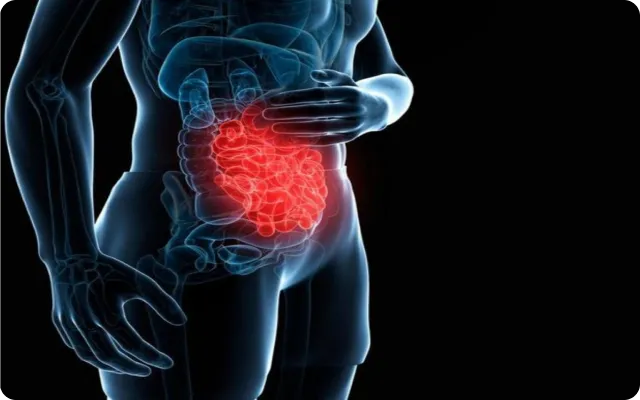
Ulcerative colitis is a form of inflammatory bowel disease that primarily affects the large intestine (colon) and rectum. It involves continuous inflammation of the intestinal lining rather than patchy areas. Symptoms may include abdominal cramping, frequent bowel movements, blood or mucus in stool, fatigue, and weight fluctuations. Disease intensity can vary from mild to severe, often requiring ongoing monitoring and lifestyle or dietary adjustments alongside medical care.
How Stem Cells May Provide Support
Mesenchymal stem cells (MSCs) are studied for their immunomodulatory and anti-inflammatory signaling properties. In clinical exploration, MSC therapy may be considered for:
Supporting immune balance
Assisting intestinal tissue environment regulation
Promoting cellular communication pathways
Enhancing digestive comfort support
These effects are described as supportive and regulatory, not curative, and individual responses may vary.
Exosomes Therapy – Complementary Cellular Signaling Support
Exosomes are microscopic extracellular vesicles involved in intercellular communication. When evaluated alongside MSC therapy, they are explored for their role in inflammation signaling balance and tissue environment support. This approach is considered complementary and is assessed individually under medical supervision.
Treatment Process
A typical regenerative pathway for Ulcerative Colitis includes:
1
2
3
4
5
Protocols are individualized according to symptom severity, medication use, and overall health condition.
Safety & Eligibility
Eligibility depends on medical history, current disease activity, medication interactions, and physician evaluation. Regenerative therapies are considered adjunctive options and are not substitutes for prescribed treatment or gastroenterology supervision.
FAQs
Free Online Medical Consultation
Speak with a medical advisor and receive a personalized evaluation based on your medical reports. No obligation — professional guidance to help you understand available regenerative treatment options.
Book Free Consultation