ALS (Lou Gehrig’s Disease)
Amyotrophic Lateral Sclerosis (ALS) is a progressive neurological condition influencing motor nerve function and muscle strength. Regenerative medicine explores supportive biological approaches using umbilical cord–derived MSCs and exosomes therapy to assist cellular communication and inflammation balance.
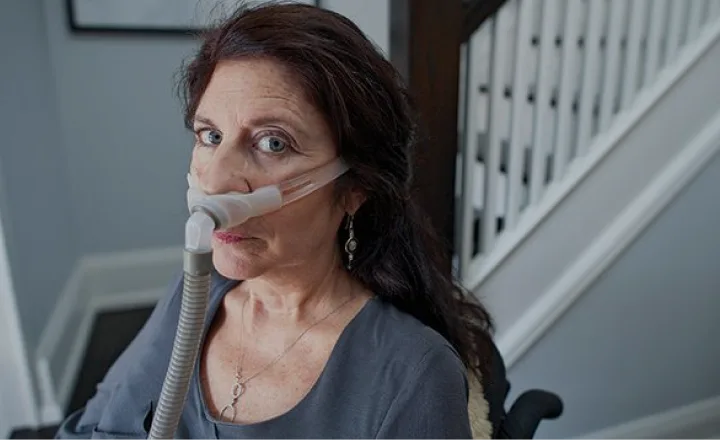
Introduction to ALS (Lou Gehrig’s Disease)
Amyotrophic Lateral Sclerosis (ALS), also known as Lou Gehrig’s Disease, is a progressive neurological condition that influences motor nerve function, muscle strength, and voluntary movement over time. Management commonly focuses on supportive care, symptom management, and quality-of-life strategies coordinated by neurological specialists. In regenerative medicine, umbilical cord–derived mesenchymal stem cells (MSCs), frequently combined with Exosomes therapy, are increasingly explored as supportive biological approaches aimed at assisting cellular communication pathways, inflammation balance, and neurological environment support under professional medical supervision.
In Turkey, regenerative therapy for ALS support is performed using GMP-certified laboratory-processed biologic materials and individualized treatment planning based on neurological reports and physician evaluation. These therapies are described as complementary supportive options, not cures, not reversals, and not guaranteed outcomes. They are typically researched alongside established neurological care programs rather than as replacements.
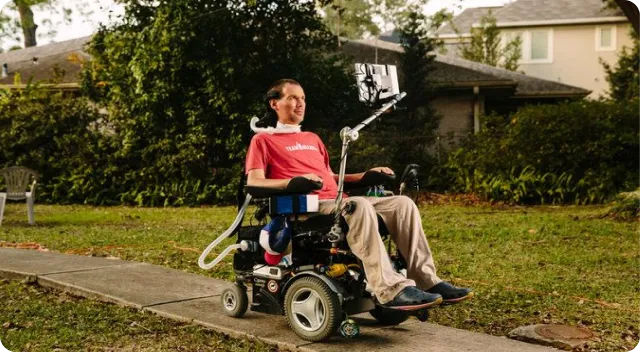
Condition Overview
ALS affects motor neurons responsible for voluntary muscle control, which can influence movement coordination, speech, and daily functional activities. The progression pattern varies among individuals, and management strategies are generally tailored through collaboration between neurologists, rehabilitation specialists, and supportive-care teams. Emphasis is often placed on maintaining comfort, communication ability, and overall quality of life.
How Stem Cells May Provide Support
Mesenchymal stem cells are studied for their paracrine signaling properties, meaning they release bioactive molecules that influence surrounding cellular environments rather than replacing nerve tissue. Research explores their potential role in inflammation modulation, immune balance, and cellular communication pathways. This mechanism is described as biological environment support, not structural nerve repair and not disease progression reversal.
Exosomes Combination
Exosomes are microscopic extracellular vesicles that function as biological messengers between cells. When incorporated into selected regenerative protocols, exosomes therapy is explored for its potential role in inflammation regulation and neural communication signaling. Suitability and protocol design are determined through physician evaluation and individualized medical assessment rather than standardized application.
Supportive & Quality-of-Life Focus
Regenerative therapy is generally explored alongside established neurological care and supportive management strategies, including physiotherapy, respiratory support, and communication-assistance planning when recommended by healthcare professionals. Emphasis is placed on realistic expectations, consistent monitoring, and comfort-oriented functional support rather than isolated treatment use.
Treatment Process
A typical regenerative ALS-support pathway includes:
1
2
3
4
5
6
Protocol timing and frequency vary depending on neurological evaluation and individual medical factors.
Safety & Eligibility
Eligibility for regenerative therapy is determined through detailed medical screening, neurological reports, and physician evaluation. Treatments are performed using sterile clinical standards and laboratory-tested biologic materials. Transparent communication, realistic expectations, and structured patient screening remain essential components of safety in ALS-support planning.
FAQs
Free Online Medical Consultation
Speak with a medical advisor and receive a personalized evaluation based on your medical reports. No obligation — professional guidance to help you understand available regenerative treatment options.
Book Free Consultation