Hair Restoration
Hair thinning often involves follicle miniaturization due to genetics or inflammation. Regenerative medicine explores supportive roles using MSCs and PRP to enhance follicular signaling, scalp health, and hair density appearance.
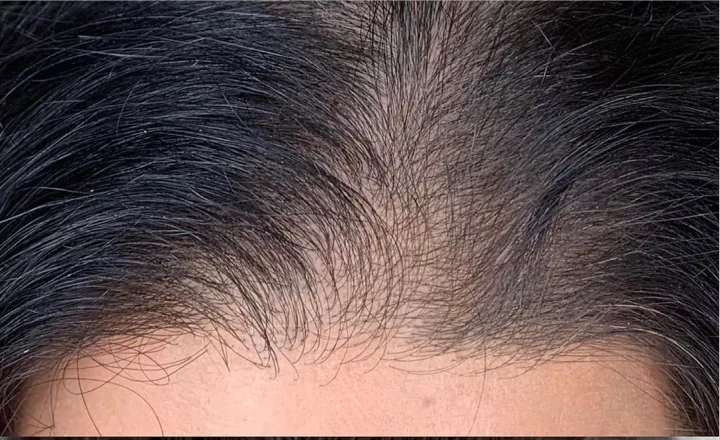
Introduction to Hair Restoration
Hair thinning and hair loss can occur due to genetics, hormonal imbalance, stress, inflammation, nutritional deficiencies, or scalp circulation changes. In many cases, the hair follicle remains present but becomes weakened or miniaturized over time. Regenerative medicine approaches such as mesenchymal stem cell (MSC) therapy combined with platelet-rich plasma (PRP) are being explored for their potential to support the scalp environment, improve microcirculation, and assist the natural hair growth cycle.
These therapies are not presented as a guaranteed permanent solution or a replacement for hair transplantation when follicles are no longer active. Instead, they may be considered as supportive options designed to enhance follicular signaling, scalp health, and hair density appearance under medical supervision.
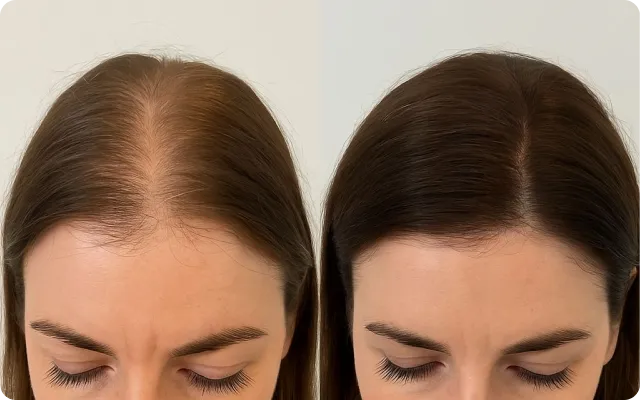
Understanding Hair Loss
Hair growth follows a natural cycle consisting of:
Growth phase (Anagen)
Transitional phase (Catagen)
Resting phase (Telogen)
Hair thinning may occur when follicles shorten their growth phase or remain longer in the resting phase. Contributing factors may include androgenetic alopecia, stress-related shedding, post-illness hair thinning, hormonal shifts, and inflammatory scalp conditions.
Androgenetic alopecia
Stress-related shedding
Post-illness hair thinning
Hormonal shifts
Inflammatory scalp conditions
Proper evaluation is important to determine whether follicles are still viable.
How Stem Cells May Provide Support
Mesenchymal stem cells are studied for their ability to support:
Follicular microenvironment balance
Cellular signaling pathways
Inflammation modulation
Scalp tissue vitality
Rather than creating new hair follicles, the goal is to support existing follicles and enhance the biological environment that influences growth patterns.
Results vary by individual, and therapy effectiveness depends on follicle viability.
PRP Therapy – Complementary Role
Platelet-Rich Plasma (PRP) uses concentrated growth factors derived from the patient's own blood. When applied to the scalp, PRP may support:
Local circulation
Growth factor stimulation
Follicular signaling enhancement
MSC and PRP combination protocols are evaluated on a case-by-case basis to maximize supportive scalp conditions.
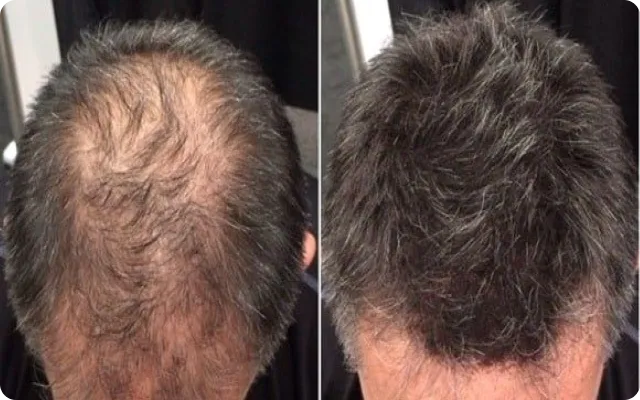
Treatment Process
1
2
3
4
5
Treatment plans are customized depending on hair loss stage and medical history.
Who May Be a Candidate?
Candidates may include individuals with:
Early to moderate thinning
Active but weakened follicles
Post-stress or hormonal shedding
Non-scarring alopecia
Individuals with complete follicle loss or advanced scarring alopecia may require alternative approaches.
Safety & Expectations
Regenerative hair therapy is considered a supportive aesthetic procedure.
It does not guarantee:
Permanent regrowth
Full reversal of advanced baldness
Replacement of hair transplantation
Outcomes vary depending on individual biology, age, and degree of follicular activity.
FAQs
Free Online Medical Consultation
Speak with a medical advisor and receive a personalized evaluation based on your medical reports. No obligation — professional guidance to help you understand available regenerative treatment options.
Book Free Consultation