Shoulder Pain
Shoulder pain is frequently associated with tendon irritation, rotator cuff strain, and joint inflammation. Regenerative medicine approaches like PRP and MSC therapy are explored to assist tissue-support pathways and regulate inflammatory signaling.
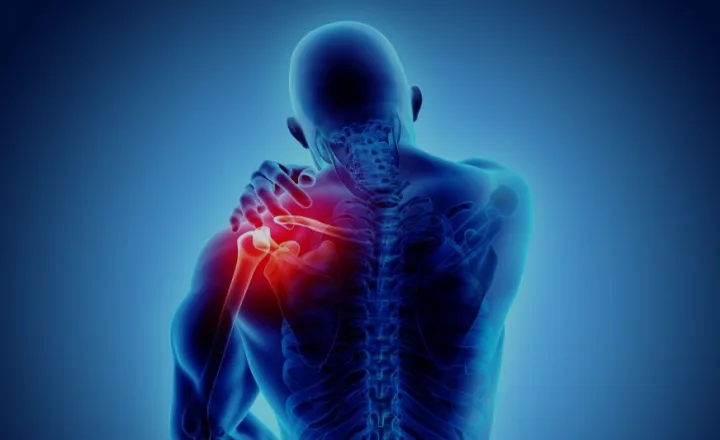
Introduction to Shoulder Pain
Shoulder pain is frequently associated with tendon irritation, rotator cuff strain, joint inflammation, and repetitive movement stress. These factors can influence arm mobility, strength, and daily functional comfort. In regenerative medicine, supportive therapies such as Platelet-Rich Plasma (PRP) and mesenchymal stem cell (MSC) treatment are increasingly explored to assist tissue-support pathways, regulate inflammatory signaling, and encourage natural cellular communication under medical supervision.
In Turkey, regenerative shoulder therapy is performed using sterile clinical protocols and individualized treatment planning based on imaging and physician evaluation. Because these therapies focus on biological support rather than surgical reconstruction, many individuals research them as complementary or non-surgical options when addressing shoulder discomfort and mobility concerns.
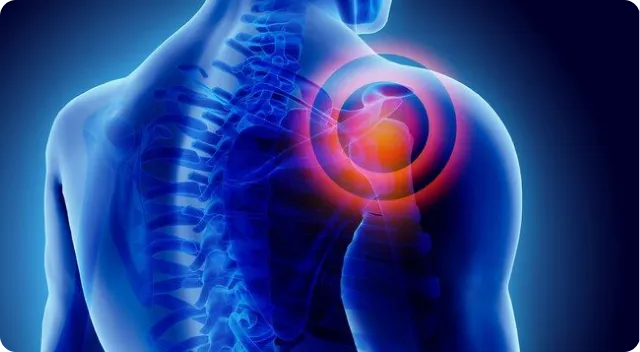
Causes of Shoulder Pain
Shoulder discomfort may arise from rotator cuff irritation, tendon overuse, joint inflammation, bursitis, or repetitive mechanical stress. Sports activity, occupational strain, posture habits, and prior injuries can all contribute to reduced shoulder flexibility and strength. Understanding the underlying cause is essential for selecting an appropriate supportive treatment plan.
PRP vs Stem Cells
PRP therapy utilizes the patient’s own concentrated platelets, which contain growth factors involved in tissue-recovery signaling and collagen support pathways. Mesenchymal stem cells, on the other hand, are studied for their broader cellular-communication and inflammation-modulating roles. While PRP is often emphasized for tendon and soft-tissue support, MSC therapy is explored for its regenerative signaling environment within the joint region.
Combination Benefits
In selected cases, physicians may recommend combining PRP and MSC therapy to enhance biological communication pathways and tissue-support environments. Combination protocols are personalized based on imaging findings, medical history, and functional goals. The objective is to support natural recovery processes rather than replace structural surgical procedures.
Treatment Process
A typical regenerative shoulder therapy pathway may include:
1
2
3
4
5
6
Session frequency and protocols vary depending on clinical assessment.
Safety & Eligibility
Eligibility for regenerative shoulder therapy depends on physician evaluation, diagnostic imaging, and individual health history. Treatments are performed under sterile clinical standards with professional medical supervision. Transparent communication, realistic expectations, and patient screening remain essential for safety and treatment planning.
FAQs
Free Online Medical Consultation
Speak with a medical advisor and receive a personalized evaluation based on your medical reports. No obligation — professional guidance to help you understand available regenerative treatment options.
Book Free Consultation