Crohn’s Disease
Crohn’s disease is a chronic inflammatory bowel condition characterized by recurring intestinal inflammation and digestive disturbances. Regenerative medicine explores supportive roles using MSCs and exosomes therapy to assist in immune modulation and tissue environment regulation.
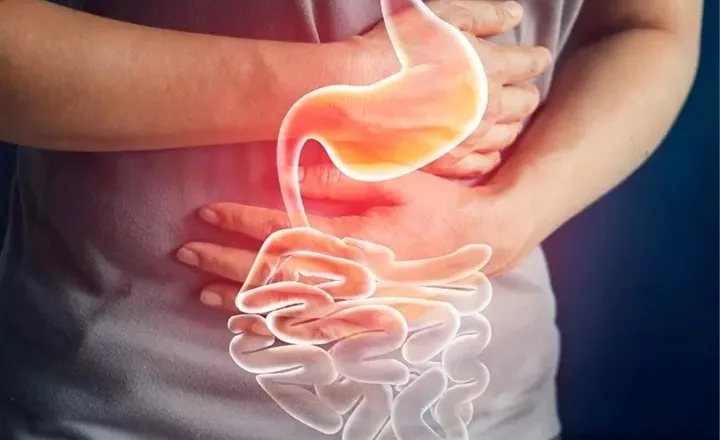
Introduction to Crohn’s Disease
Crohn’s disease is a chronic inflammatory bowel condition characterized by recurring intestinal inflammation, abdominal discomfort, digestive disturbances, and periods of remission and flare-ups. As an autoimmune-related gastrointestinal disorder, it involves immune system dysregulation that may affect different parts of the digestive tract and vary significantly between individuals.
Regenerative medicine approaches such as umbilical cord–derived mesenchymal stem cells (MSCs) and exosomes therapy are being explored for their potential supportive role in immune modulation, inflammation balance, and tissue environment regulation under medical supervision. These therapies are not intended to replace gastroenterology treatment plans or prescribed medications, but rather may be evaluated as complementary strategies within a personalized care protocol. The primary objective is to assist cellular communication pathways, support intestinal tissue environments, and promote digestive comfort while maintaining coordination with the patient's treating physician and long-term disease management plan.
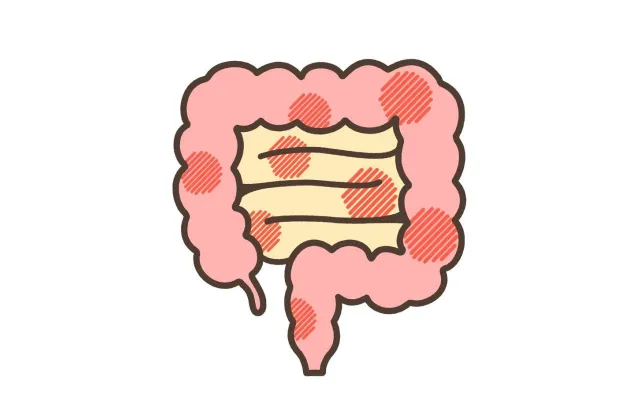
Condition Overview – What Is Crohn’s Disease?
Crohn’s disease is a type of inflammatory bowel disease (IBD) that can affect any part of the gastrointestinal tract, most commonly the small intestine and colon. Symptoms may include abdominal pain, diarrhea, fatigue, weight changes, and nutrient absorption difficulties. The condition often progresses in cycles, alternating between active inflammation and quieter phases. Management usually requires continuous medical monitoring and lifestyle adaptation.
How Stem Cells May Provide Support
Mesenchymal stem cells (MSCs) are investigated for their anti-inflammatory and immunomodulatory signaling properties. In research and clinical settings, MSC therapy is explored for its potential to:
Supporting gut inflammation modulation
Assisting intestinal lining environment regulation
Promoting cellular communication pathways
Contributing to digestive comfort support
These effects are described as supportive and regulatory, not curative, and individual responses may differ.
Exosomes Therapy – Complementary Cellular Signaling Support
Exosomes are nano-sized extracellular vesicles involved in cell-to-cell communication. When used alongside MSC therapy, they are explored for their role in inflammation signaling balance and tissue environment support. This approach is evaluated individually and is considered complementary rather than a replacement for conventional care.
Treatment Process
A typical regenerative pathway for Crohn’s Disease includes:
1
2
3
4
5
Protocols are individualized according to symptom severity, medication use, and overall health condition.
Safety & Eligibility
Eligibility depends on medical history, disease activity level, medication interactions, and physician evaluation. Regenerative therapies are considered adjunctive options and are not substitutes for prescribed treatment or gastroenterology supervision.
FAQs
Free Online Medical Consultation
Speak with a medical advisor and receive a personalized evaluation based on your medical reports. No obligation — professional guidance to help you understand available regenerative treatment options.
Book Free Consultation