Fibromyalgia
Fibromyalgia is a chronic condition characterized by widespread musculoskeletal discomfort and nervous system hypersensitivity. Regenerative medicine explores supportive roles using MSCs and PRP to assist in inflammatory balance and neuromuscular regulation.

Introduction to Fibromyalgia
Fibromyalgia is a chronic condition characterized by widespread musculoskeletal discomfort, fatigue, sleep disturbances, and heightened sensitivity to pain signals. It is commonly associated with nervous system hypersensitivity, inflammation signaling imbalance, and altered pain perception pathways rather than structural joint damage. Conventional management usually includes medication, physical therapy, lifestyle adaptation, and multidisciplinary care.
Regenerative medicine approaches such as mesenchymal stem cell (MSC) therapy and platelet-rich plasma (PRP) are being clinically explored for their potential supportive role in inflammatory balance, cellular communication, and neuromuscular environment regulation. These therapies are not considered a cure or instant pain relief solution. Instead, they may be evaluated as complementary options within a personalized medical plan under physician supervision. The goal is to support nervous system comfort, functional resilience, and overall quality of life while continuing conventional therapeutic strategies and long-term monitoring.
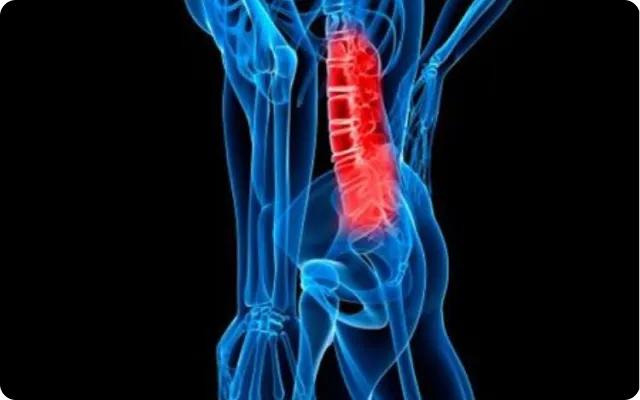
Condition Overview – Understanding Fibromyalgia
Fibromyalgia affects how the brain and nervous system process pain signals, often leading to chronic discomfort, tenderness, cognitive fatigue (“brain fog”), and sleep irregularities. Symptoms vary widely and typically require individualized, multidisciplinary management rather than a single-treatment approach. The focus is on supporting nervous system comfort, functional resilience, and overall quality of life.
How Stem Cells May Provide Support
Mesenchymal stem cells (MSCs) are studied for their immunomodulatory and anti-inflammatory signaling properties. In clinical settings, they are explored for supportive roles in:
Pain perception pathway modulation
Inflammation balance
Neuromuscular environment regulation
Functional comfort support
These effects are described as supportive and regulatory, not curative or guaranteed.
PRP Therapy – Complementary Role
Platelet-Rich Plasma (PRP) is sometimes evaluated alongside MSC therapy for its potential to support localized tissue signaling and circulation. It is considered a complementary modality rather than a standalone solution.
Treatment Process
A typical regenerative pathway for Fibromyalgia includes:
1
2
3
4
5
Protocols are tailored to individual tolerance and functional goals.
Safety & Eligibility
Eligibility depends on overall health status, chronic condition history, and physician screening. Regenerative therapies are considered adjunctive supportive options and do not replace medication, physiotherapy, or psychological support strategies.
FAQs
Free Online Medical Consultation
Speak with a medical advisor and receive a personalized evaluation based on your medical reports. No obligation — professional guidance to help you understand available regenerative treatment options.
Book Free Consultation