Bone Fractures
Bone fractures involve the disruption of bone structure that may influence mobility and stability. Regenerative medicine approaches using MSCs, PRP, and exosomes are explored as complementary biological support to assist natural recovery pathways.
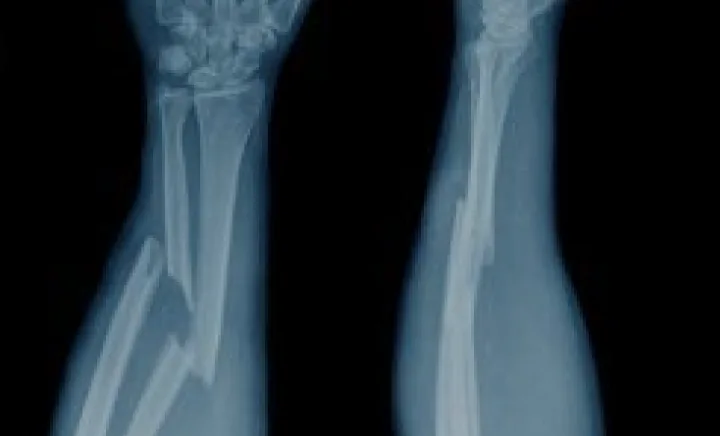
Introduction to Bone Fractures
Bone fractures involve disruption of bone structure that may influence mobility, stability, and overall functional recovery. The healing process typically requires structured orthopedic care, rest, and gradual rehabilitation. In regenerative medicine, supportive therapies such as mesenchymal stem cells (MSCs) and Platelet-Rich Plasma (PRP) are increasingly explored as complementary approaches aimed at assisting cellular signaling pathways, inflammation regulation, and tissue-support environments under medical supervision.
In Turkey, regenerative therapy for bone-recovery protocols is performed using sterile clinical standards and individualized treatment planning based on imaging and physician evaluation. Rather than replacing orthopedic procedures, these therapies are described as biological support options intended to accompany structured medical recovery strategies when deemed appropriate by a healthcare professional.
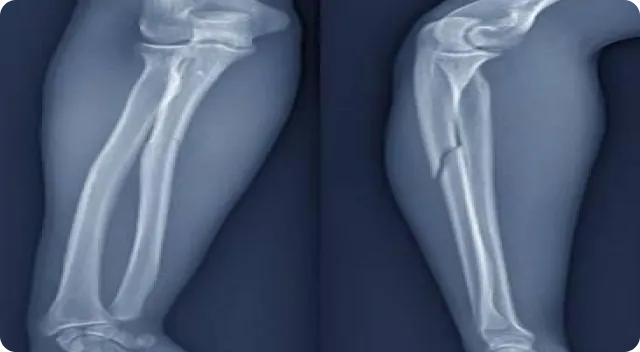
Bone Healing Biology
Bone recovery occurs in several biological phases, including inflammation control, soft callus formation, hard callus development, and gradual remodeling. Each phase involves complex cellular communication and tissue-repair mechanisms. Factors such as age, nutrition, injury severity, and overall health status can influence recovery timelines and structural stability.
MSC & PRP Role in Recovery Support
Mesenchymal stem cells are studied for their paracrine signaling properties, meaning they release bioactive molecules that influence the surrounding biological environment rather than directly replacing bone tissue. PRP therapy, derived from the patient’s own blood, contains growth factors associated with soft-tissue and collagen-support pathways. When evaluated by a physician, combination protocols may be considered to enhance cellular communication and tissue-support signaling within structured recovery plans.
Exosomes Support
Exosomes are microscopic extracellular vesicles that act as biological messengers between cells. In selected protocols, exosomes may be incorporated to assist inflammation regulation and cellular signaling pathways. Their inclusion is determined through physician assessment and individualized treatment suitability rather than standardized application.
Treatment Planning
A typical regenerative bone-support pathway may include:
1
2
3
4
5
6
Protocol timing and frequency vary depending on fracture type, recovery stage, and clinical evaluation.
Safety & Eligibility
Eligibility for regenerative therapy depends on physician evaluation, imaging findings, and individual medical history. Treatments are performed using laboratory-tested biologic materials, sterile clinical standards, and professional medical supervision. Transparent communication, realistic expectations, and structured patient screening remain essential components of safety within orthopedic recovery planning.
FAQs
Free Online Medical Consultation
Speak with a medical advisor and receive a personalized evaluation based on your medical reports. No obligation — professional guidance to help you understand available regenerative treatment options.
Book Free Consultation