Type 1 Diabetes
Type 1 Diabetes is an autoimmune condition characterized by the destruction of insulin-producing beta cells. Regenerative medicine explores supportive roles using MSCs to assist in immune modulation and pancreatic environment regulation.
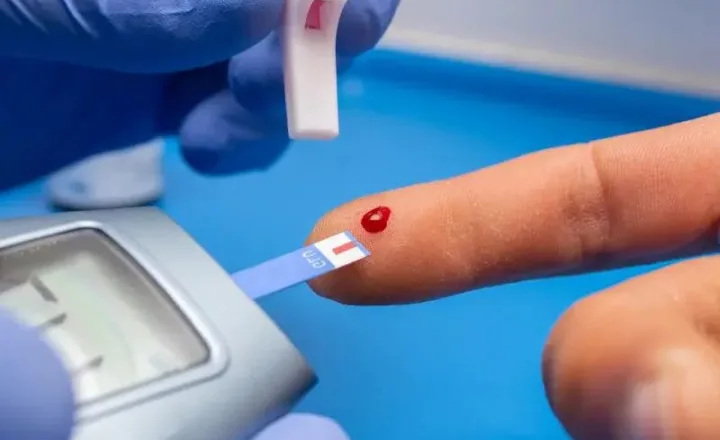
Introduction to Type 1 Diabetes
Type 1 Diabetes is an autoimmune condition in which the immune system mistakenly attacks insulin-producing beta cells in the pancreas. This results in lifelong insulin dependence and requires continuous blood glucose monitoring.
The condition involves:
Autoimmune activity
Inflammatory signaling
Pancreatic microenvironment stress
Progressive beta-cell loss
Standard management includes insulin therapy, glucose monitoring, dietary planning, and endocrinology follow-up.
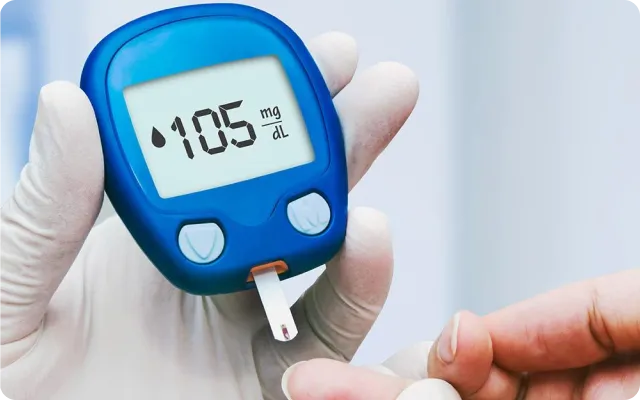
How MSC + Exosomes May Provide Support
Mesenchymal Stem Cells (MSCs) and exosomes are being studied for their immunomodulatory and anti-inflammatory properties.
In Type 1 Diabetes, therapy is positioned as supportive and adjunctive, focusing on:
Immune System Balance
MSCs may help modulate overactive immune responses by:
Supporting regulatory T-cell activity
Modulating inflammatory cytokines
Promoting immune tolerance signaling
This approach aims to support immune balance — not suppress immunity aggressively.
Pancreatic Microenvironment Support
Exosomes and MSC signaling factors may help:
Support pancreatic tissue environment
Reduce inflammatory stress around remaining beta cells
Promote healthier cellular communication
This is described as pancreatic environment support, not regeneration of destroyed beta cells.
Combination Therapy Approach
Protocols may include:
Intravenous MSC infusion
Exosomes therapy
Nutritional and metabolic support
NAD+ or adjunct therapies where appropriate
All treatments are performed under medical supervision.
Treatment Process
1
2
3
4
5
6
Protocols are tailored to individual tolerance and functional goals.
Safety & Eligibility
Stem cell therapy for Type 1 Diabetes is considered an adjunct therapy. It is not a replacement for insulin, not a cure, and not a guaranteed improvement in glucose control.
Eligibility depends on disease duration, current insulin use, C-peptide levels, and overall health status. Each case is reviewed individually.
FAQs
Free Online Medical Consultation
Speak with a medical advisor and receive a personalized evaluation based on your medical reports. No obligation — professional guidance to help you understand available regenerative treatment options.
Book Free Consultation