Sports Injuries
Sports injuries involving ligaments, tendons, and muscle tissues can influence mobility and performance. Regenerative therapies such as PRP and MSC treatment are explored to assist cellular signaling and encourage natural tissue-support environments.

Introduction to Sports Injuries
Sports injuries involving ligaments, tendons, and muscle tissues can influence mobility, strength, and overall performance capacity. These injuries often result from repetitive strain, sudden impact, or overuse during athletic activity. In regenerative medicine, supportive therapies such as Platelet-Rich Plasma (PRP) and mesenchymal stem cell (MSC) treatment are increasingly explored to assist cellular signaling pathways, regulate inflammatory responses, and encourage natural tissue-support environments under medical supervision.
In Turkey, regenerative therapy for sports-related injuries is performed using sterile clinical protocols and individualized treatment planning based on imaging findings and physician evaluation. Rather than promising rapid or guaranteed healing, these therapies focus on performance recovery support and biological balance as part of structured medical guidance.
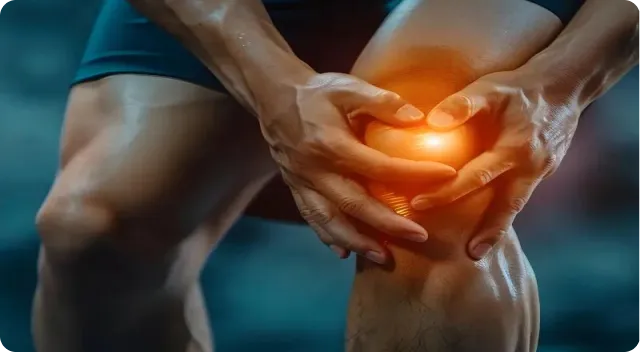
Types of Sports Injuries
Common sports-related conditions may include ligament sprains, tendon irritation, muscle tears, joint strain, and repetitive stress injuries. These issues can occur in the knees, shoulders, ankles, elbows, and hips depending on the activity involved. Understanding injury type and severity is essential for selecting an appropriate supportive recovery pathway.
PRP Role in Tissue Support
PRP therapy utilizes concentrated platelets derived from the patient’s own blood. These platelets contain growth factors and bioactive proteins involved in collagen signaling and soft-tissue support pathways. Because PRP is autologous, it is often considered a supportive biologic option for tendon and ligament environments when evaluated by a physician.
MSC Regenerative Support
Mesenchymal stem cells are studied for their broader cellular-communication and inflammation-modulating roles within regenerative medicine. Rather than replacing tissue directly, MSC therapy focuses on influencing the biological environment through signaling pathways that may assist natural recovery processes under clinical supervision.
Recovery Process
A typical regenerative sports-injury pathway may include:
1
2
3
4
5
6
Protocol frequency and session timing vary depending on injury type and clinical assessment.
Safety & Eligibility
Eligibility for regenerative therapy depends on physician evaluation, diagnostic imaging, and individual medical history. Treatments are performed using sterile clinical standards and laboratory-tested biologic materials. Transparent communication, realistic expectations, and professional screening remain essential components of patient safety in sports-injury recovery planning.
FAQs
Free Online Medical Consultation
Speak with a medical advisor and receive a personalized evaluation based on your medical reports. No obligation — professional guidance to help you understand available regenerative treatment options.
Book Free Consultation